
Estimated Reading Time: 4 minutes
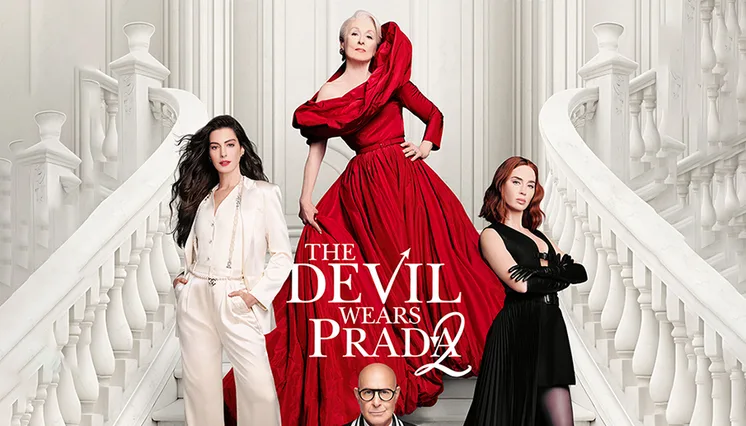
The Devil Wears Prada 2 opens with a jarring sight: Miranda Priestly apologizing. She bows to corporate overlords and submits to the every whim of her advertisers—the financial sugar daddies of the industry. The formidable editor-in-chief, who once dictated global fashion trends with a single utterance, is now suffocating under the crushing weight of capital. Behind this lies a brutal commercial reality: the era where a single magazine could monopolise the rules of the game is long gone.
Despite this on-screen struggle, the sequel swept the global box office during its opening weekend, raking in a staggering $233.6 million. But did you know? When Disney first acquired the IP in 2019, they didn’t even see the potential for this legacy comedy to become a massive franchise. So, how did they turn cold leftovers into a cash-printing machine?
The answer is exceptionally brilliant Nostalgia Marketing. Disney took the most iconic line from the first film—“Florals? For spring? Groundbreaking.”—and repurposed it into the sequel’s signature tagline: “A sequel? For spring? Groundbreaking.” This wasn’t just about selling a movie; it was about precisely triggering the dormant 20-year memories of Millennials and Generation X. Disney understood the assignment: nostalgia is currently the most monetisable consumer emotion in the market.
Yet, the box office glory cannot mask the profound sense of powerlessness deeply embedded within the film. Miranda’s fashion bible, Runway, historically monopolised the industry’s narrative because brands seeking exposure had no other option but to pour money into traditional media. Today, any ordinary user on Instagram or TikTok can generate the exact same influence as Runway. Brands can execute their own PR; they no longer need to beg industry gatekeepers.
Runway‘s professional authority on what constitutes “beauty” hasn’t downgraded. However, it has lost the absolute advantage of being the only channel. When you are no longer the sole player in the market, the power structure inevitably crumbles. This is exactly why Miranda must now bow and scrape. Ironically, the real-world Prada reverse-engineered this exact logic—and made an absolute fortune.
Remember that iconic cerulean sweater from the first movie? Trends used to trickle down from top-tier designers, eventually being mass-produced into affordable ready-to-wear. People thought they had the freedom of choice, but in reality, pop culture was entirely predetermined by those at the very top of the pyramid. In the sequel, Andy takes a pair of scissors and directly chops a similar cerulean sweater into a vest. Today’s fashion is no longer about consumers passively accepting; it is about active, rebellious reconstruction.
While luxury conglomerates like LVMH and Kering are lamenting growth slowdowns, Prada defied the odds in 2024, delivering a stellar €5.43 billion in revenue—a 15% year-on-year increase. The secret weapon lies within its sister brand, Miu Miu. Instead of pushing trends top-down from the runway, they did the exact opposite: allowing Gen Z to spark viral trends organically on social media, with the brand then catching the momentum and amplifying it. As a result, Miu Miu’s retail sales skyrocketed by a jaw-dropping 93% in 2024. Trends no longer merely trickle down; they now powerfully surge from the bottom up.
This is the brutal truth exposed by The Devil Wears Prada 2. Miranda’s empire didn’t lose to a stronger rival; it lost to an era where everyone has a voice. Runway hasn’t gotten worse; the world simply no longer operates on a singular frequency. Twenty years ago, Miranda defined fashion. Twenty years later, anyone can.
This isn’t just a story about the fashion industry. Media, advertising, education, and finance have all fundamentally transformed. When the monopoly on attention evaporates, even traditional giants are forced to bow to reality.
To share your thoughts on the sequel and how social media decentralisation is disrupting various industries, leave a comment below. Visit the main page for more deep-dive business stories!