
Estimated Reading Time: 5 minutes
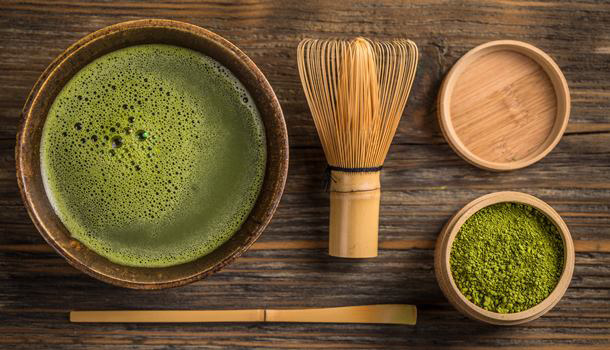
While matcha lattes are taking the world by storm, Japanese tea farmers are being pushed to the brink of collapse.
In May 2026, 38 major Japanese tea merchants issued an unprecedented joint emergency statement. Historically, we tend to assume that a booming product equals a highly lucrative industry. This time, however, the narrative defies all conventional market logic.
First, let’s quantify the sheer scale of this craze. The “Matcha Girl” trend on TikTok has already amassed tens of millions of views. Last year, Japan’s matcha exports surpassed 12,612 tonnes, with export values approaching a staggering 72.1 billion yen. Crucially, matcha powder accounts for 70% of this figure. In Uji, Kyoto, local boutique shelves are wiped clean the moment doors open, forcing shops to enforce strict one-tin-per-customer limits.
Yet, a fundamental bottleneck lurks beneath this veneer of prosperity: authentic matcha production simply cannot be industrialised on a mass scale. Once harvested, the tea leaves must be meticulously stone-ground, a painstaking process yielding a mere 40 grams per hour. Furthermore, the average age of a tea farmer now exceeds 65, with a severe lack of successors. Over the past two decades, Japan’s total tea production has plummeted by 30%. Driven by dwindling supply and explosive demand, the price of summer and autumn harvests skyrocketed threefold in just a single year.
At this point, one might assume that price hikes are a boon for producers. But therein lies a fatal commercial trap. In the food and beverage industry, the raw ingredient cost for a single drink must be strictly capped between 15% and 20% of its retail price. Once matcha crosses this critical threshold, cafes face a binary choice: hike their retail prices, or unceremoniously pull the beverage from their menus entirely.
Given that cafes represent the largest global consumption channel for matcha, losing them would be disastrous. However, the ultimate existential threat keeping Japanese farmers awake at night is the aggressive incursion of Chinese matcha into the market.
Japan currently imports upwards of 3,000 tonnes of matcha powder from China annually—a volume equivalent to 70% to 80% of Japan’s own domestic output. Once blended with milk and sugar in a latte, the average consumer cannot discern the difference. With Chinese matcha priced at just one-third to one-half of its Japanese counterpart, Chinese-backed chains like Luckin Coffee have already comprehensively pivoted to domestic supplies. If Japanese matcha continues to surge in price, a mass supply-chain exodus is inevitable.
To compound the misery, there is no standardised global definition of “matcha.” Any generic green powder mixed with plant additives can legally adopt the label. Bad money drives out good—and those who steadfastly uphold quality are ultimately the ones who lose.
This is exactly why 38 fiercely competitive Japanese tea merchants broke their historical rivalries to issue this emergency declaration. They are demanding that the entire supply chain adhere to four core principles:
- Fair Trade
- Quality-Price Parity
- A Sustainable Industry Environment
- Overall Market Accountability
The ultimate objective is for Japan to take the helm in establishing a universally recognised matcha definition and quality grading system, mirroring the successful international pathways previously forged by Wagyu beef and Sake.
However, the brutal reality is that time is rapidly running out. Japan has, at most, a narrow window of 1.5 to 2 years. If Japanese matcha fails to successfully execute this industry pivot, the relentless pressure of Chinese hyper-competition will inevitably reduce it to just another commoditised casualty, much like the display panel and optoelectronics industries before it.
Over to you: Are you a matcha lover? Do you insist on your matcha being authentically Japanese? Drop your thoughts in the comments below, and visit the main page for more deep-dive business stories!